Seventy-seven councils. No two of them the same.
I'm the inaugural Chief Digital Officer at LGAQ, leading digital, data, technology and innovation, and working across Queensland's councils on AI, cyber, data and transformation. It is the hardest problem I have worked on, and the difficulty is scale rather than technology.
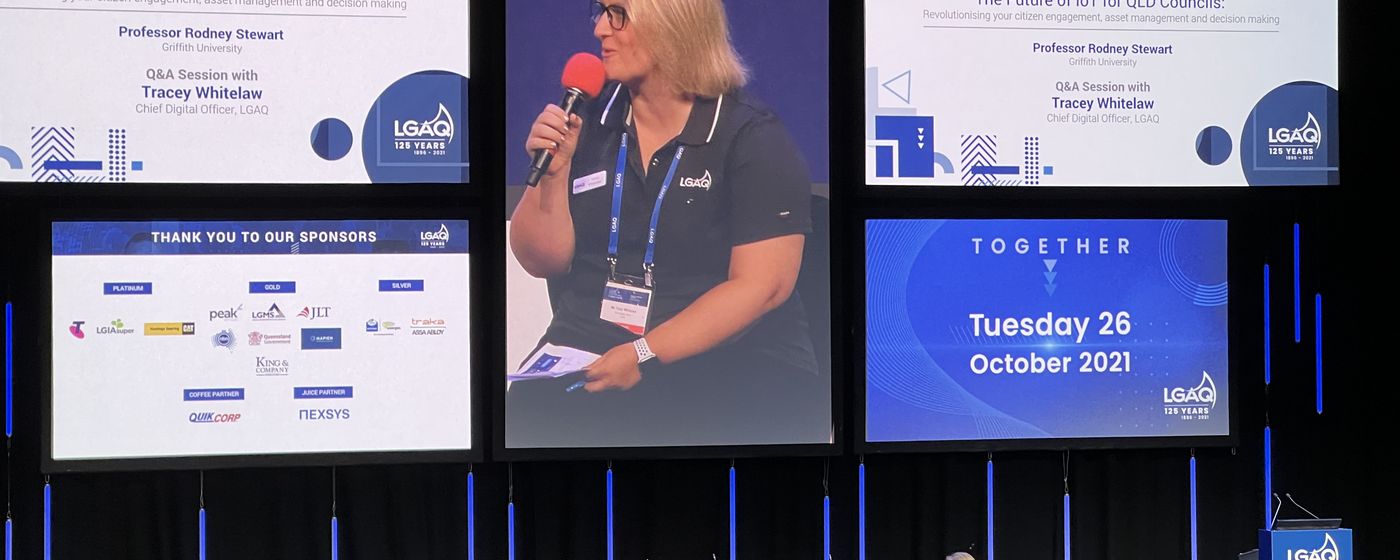
The problem with a sector.
Transformation inside one organisation is hard enough. Transformation across a sector is a different job entirely, because there is no single starting point, no shared budget and nobody who can simply decide.
A large metropolitan council and a small remote shire share a legal framework and almost nothing else. Different populations, different revenue, different staff, different distances, different everything. What counts as a sensible next step for one can be actively wrong for the other.
Roughly half of Queensland's councils are under real financial pressure. That is the backdrop to every conversation about new technology, and any approach that ignores it is decoration.
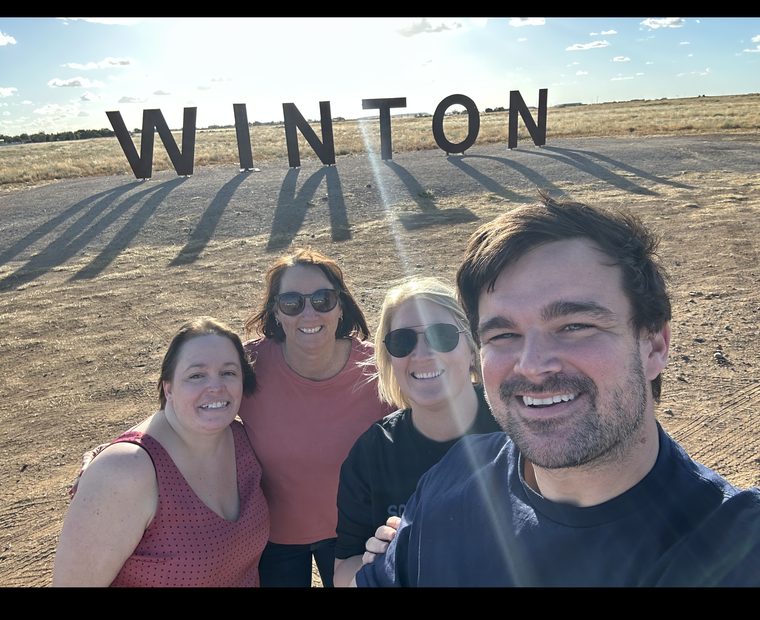
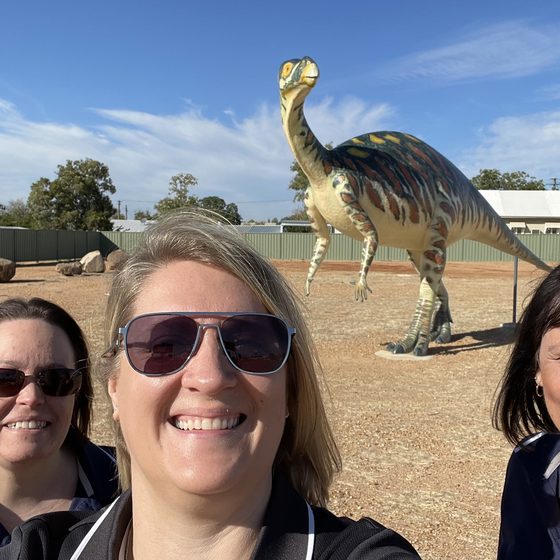
This is Winton, out west. It is a long way from anywhere and a very long way from a boardroom in Brisbane, and the digital questions they are dealing with are not smaller than a metropolitan council's. They are just different, and nobody solves them by reading a maturity model.
What the work actually involves.
Digital, data, technology and innovation for LGAQ itself, and capability-building across the sector. In practice that is AI strategy, governance and adoption, cyber, data maturity, digital services, and a fair amount of translating between technologists, executives and elected members.
The AI that matters in local government is rarely the thing people expect. It is not a chatbot on the homepage. It is predicting mosquito outbreaks before they happen, and triaging the barking dog complaints nobody enjoys handling. Unglamorous, genuinely useful, and a much better place to start than a pilot designed to look impressive.
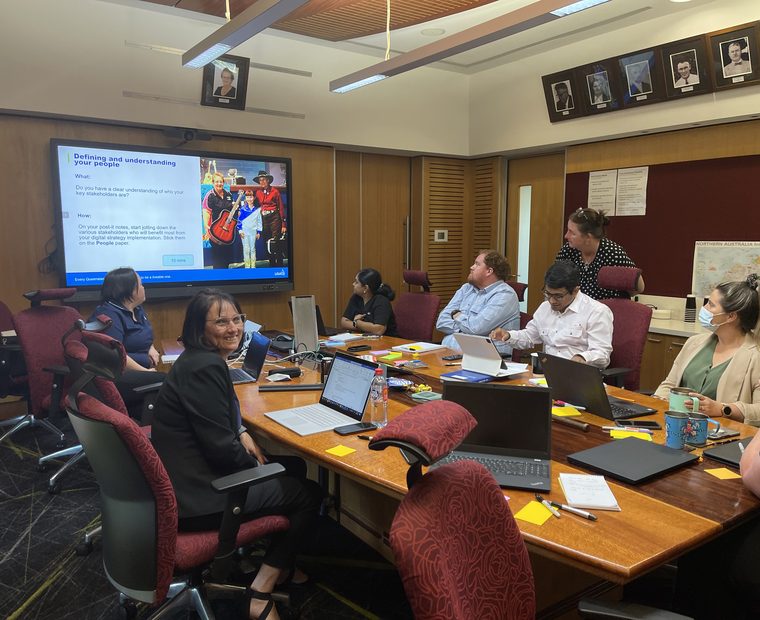
It also means a lot of time a long way from Brisbane. You cannot design for 77 councils from a desk.
“Nice doesn't change things. Loved is not the same as necessary.”
Three years of AI updates, to the same room.
In 2023 the question was whether this was even allowed. In 2024 it was whether we should be worried. By 2026 it had become how do we actually do this well, which is a better question and a much harder one.
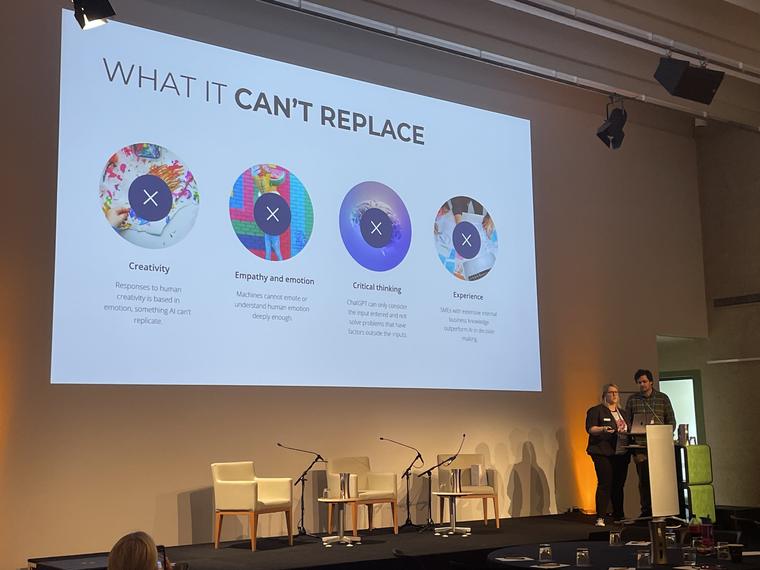
Going back to the same conference each year means marking your own homework in public. In 2023 I said AI could lift productivity and improve service, but could not provide creativity, empathy, critical thinking or replicate your experience. Most of that has held. Some of it needed revising, and revising it on stage is the useful part.
By 2026 the adoption race was effectively over. Around three quarters of communications professionals were already using generative AI, and that number had stopped moving. The holdouts were principled rather than late. So the interesting question shifted from whether people are using it to whether they are any good at it.
Somewhere to try things properly.
Most arguments about new technology in local government are held in the abstract, between people who have never had their hands on the thing. The lab exists so we can stop doing that. Councils can come and use it, break it, and decide for themselves whether something is worth their money.
The same logic applies internally. It would be a poor look to tell 77 councils how to modernise while LGAQ stayed where it was, so a decent share of this job is our own systems, our own data and our own ways of working.
Doing it inside your own organisation first is also the fastest way to find out which of your advice was rubbish.
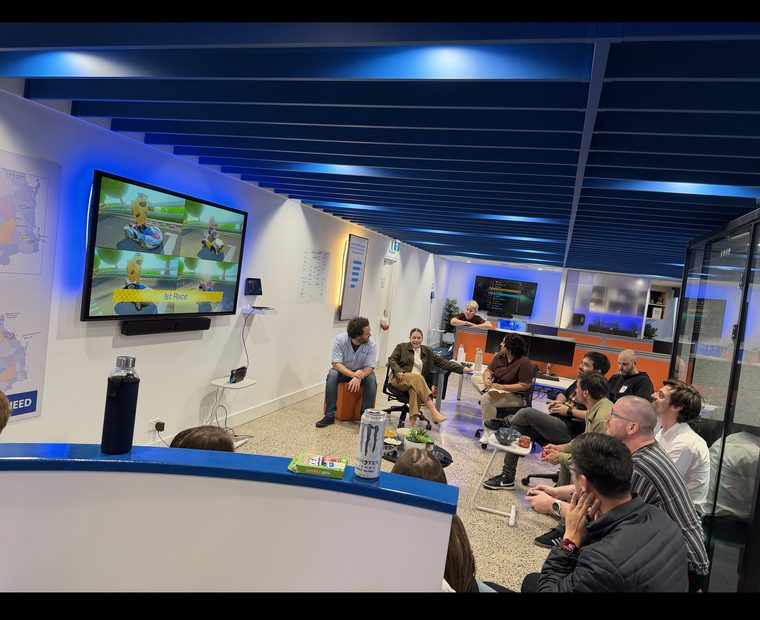
What most of it actually looks like.
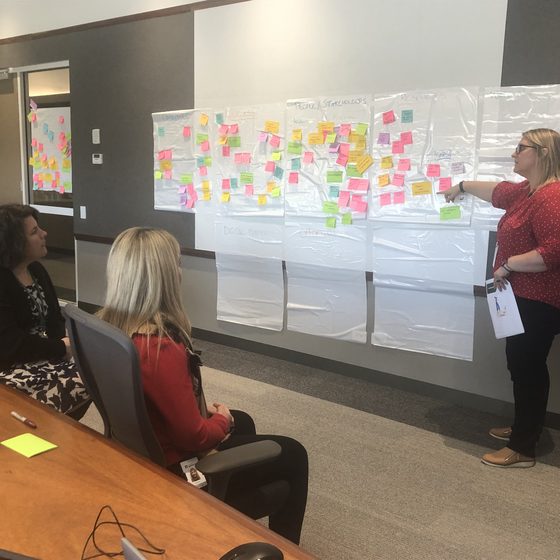
What I've learned doing it.
- Maturity is not a ladder. Ranking councils against a single model tells you very little and irritates everyone below the median.
- Governance is the accelerator. People move faster once someone has answered the question of what is allowed. The absence of a rule is not freedom, it is hesitation.
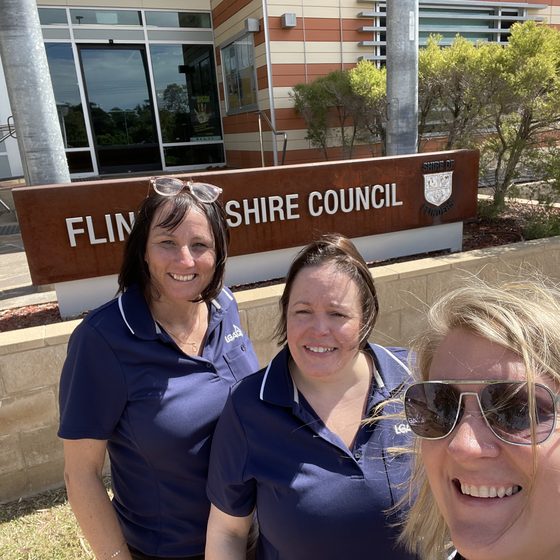
- Go to the place. Almost every wrong assumption I have held about a council was corrected by visiting it.
- Say it more times than feels reasonable. Across 77 organisations the message lands somewhere around the fourth telling, which is humbling if you enjoy your own material.
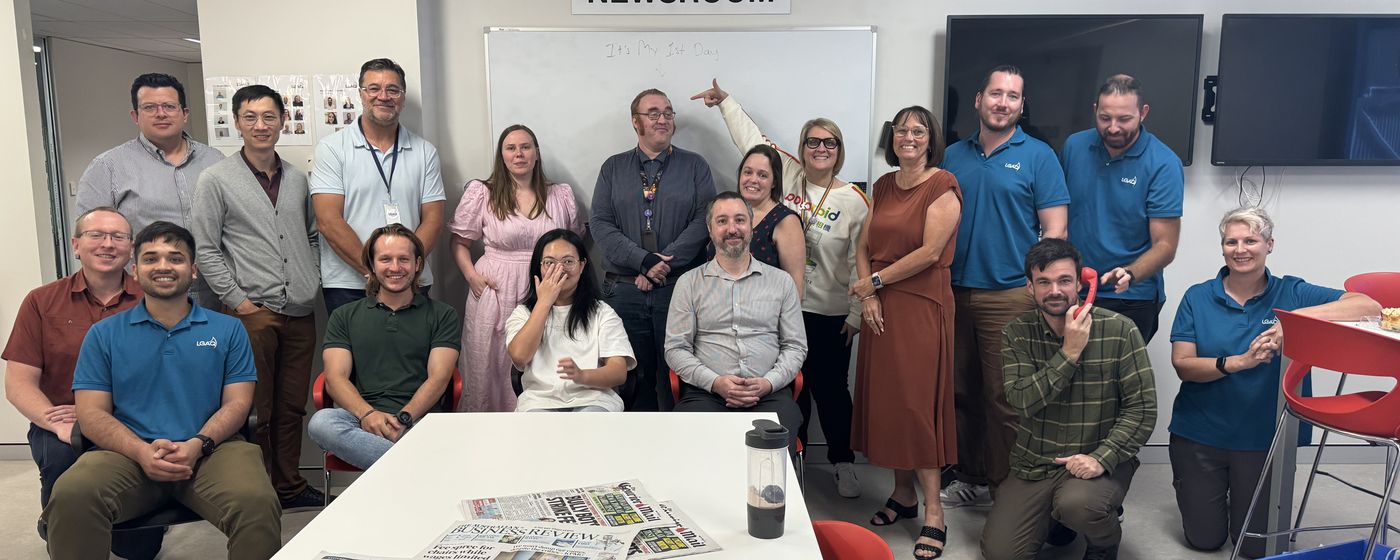
None of this is a solo job. The interesting part of a sector role is how many people have to agree before anything moves.
Gold Coast 2018
Digital transformation with a deadline that could not move.
NextHavenXR
What happens when the technology you need does not exist yet.